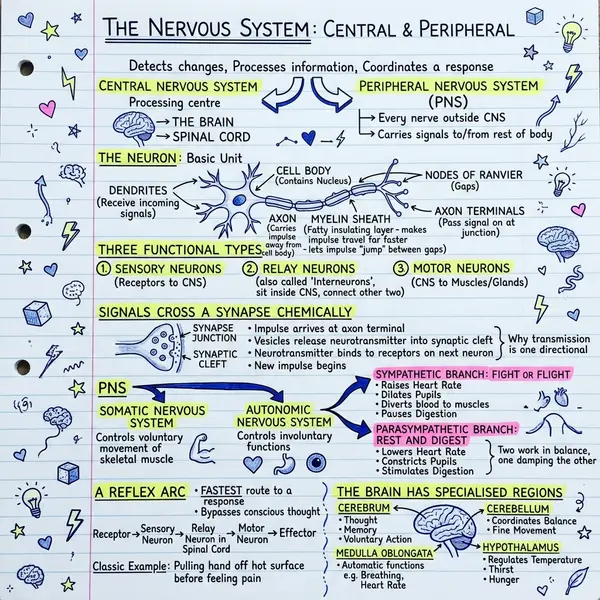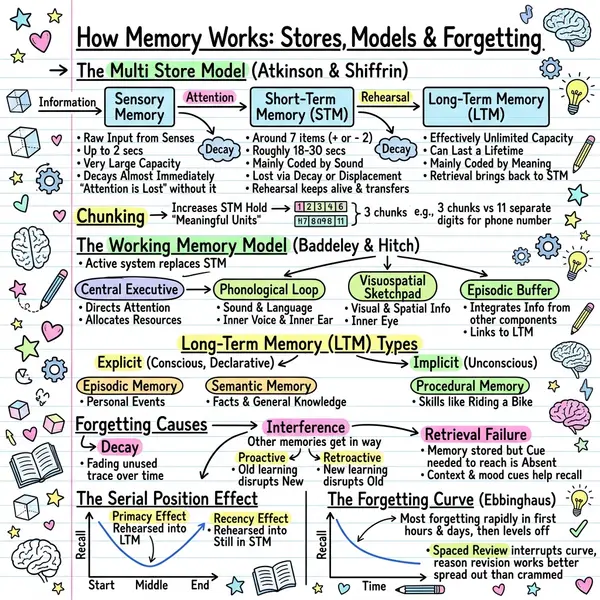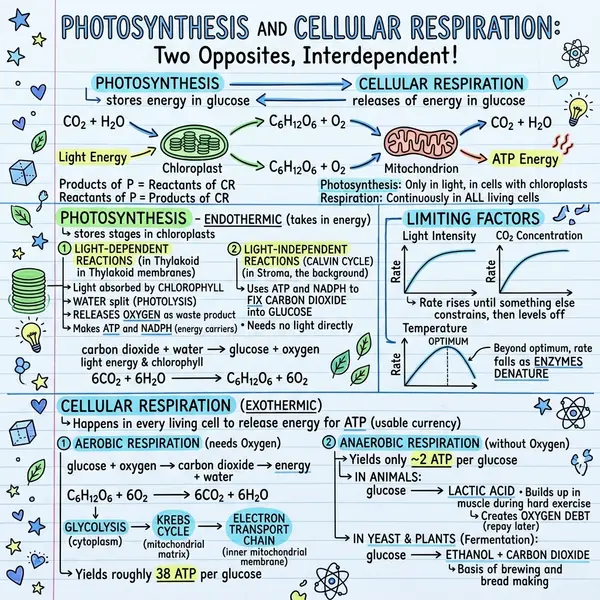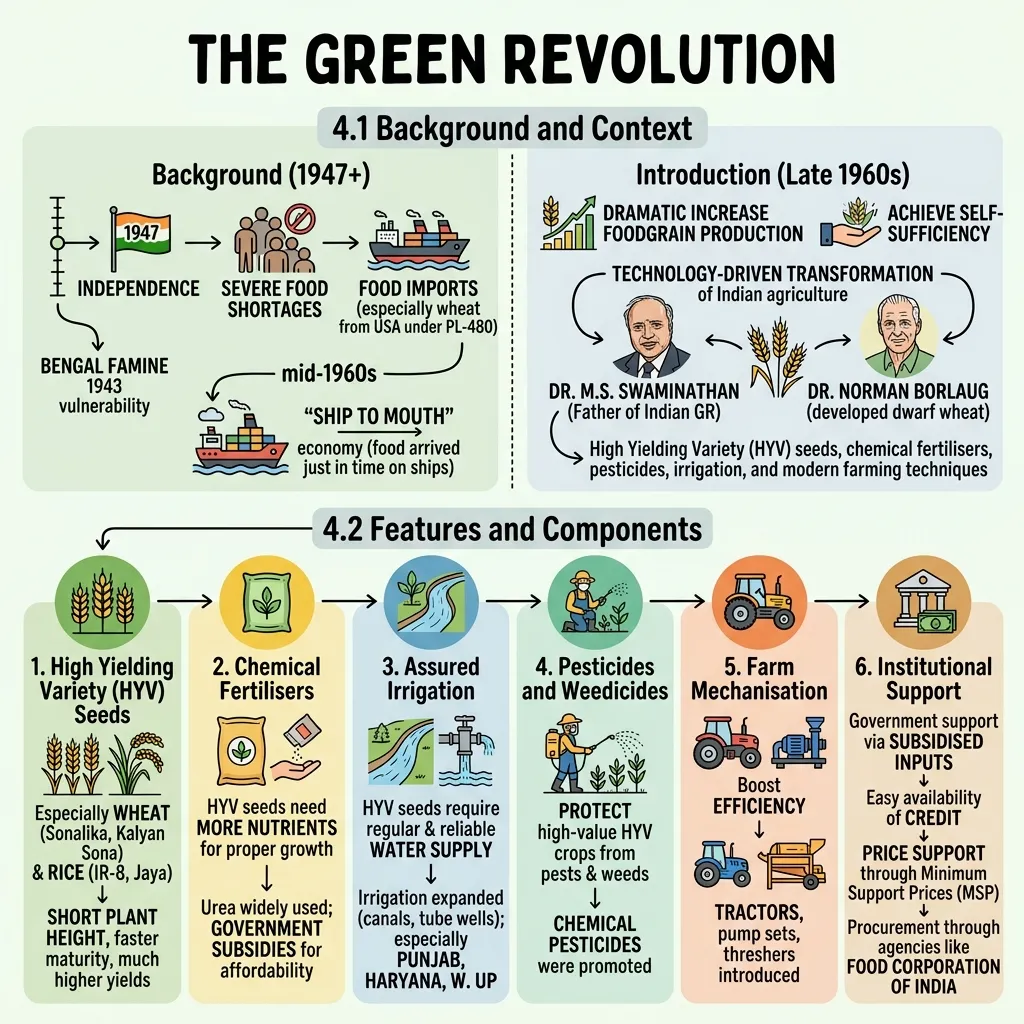
Sketchnote infographics borrow from two traditions. They have the looseness, personality, and human feel of a sketchnote. They have the deliberate hierarchy and information density of an infographic. The combination is unusually sticky — readers stay longer, share more, and remember weeks later.
What is a sketchnote infographic?
A sketchnote is a visual note that combines handwriting, simple drawings, arrows, frames, and typography to capture an idea. An infographic is a structured visual document designed to communicate data and key points at a glance. A sketchnote infographic blends both.
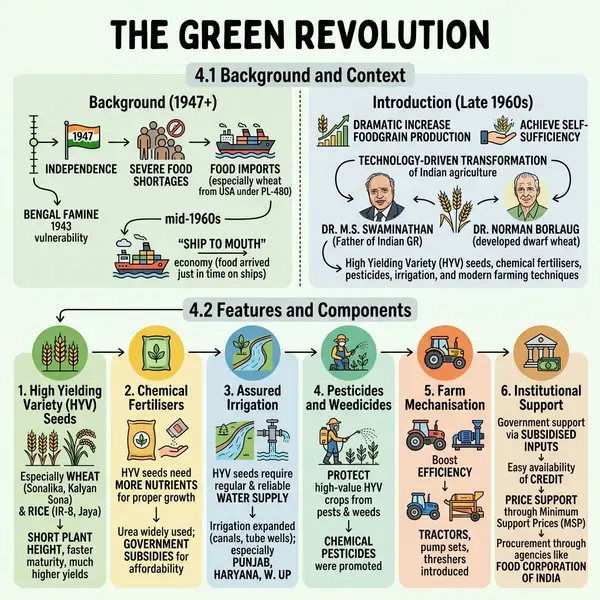
Visually, you can recognise one by a few signature elements: hand-drawn frames around the title, ink lines that wobble slightly instead of being mathematically perfect, arrows that connect ideas, mixed typography (printed letters next to script), and small icons next to bullet points. It feels like a single person sat down and explained an idea to you on paper — except every important point is exactly where it needs to be.
Why sketchnote infographics work
Three things make sketchnote infographics unusually effective at communicating ideas.
Dual-coding
When information arrives in both visual and verbal form, the brain encodes it twice. That doubles the chance of retrieval later.
Hand-drawn warmth
Polished corporate infographics often feel sterile. A sketchnote style signals to the reader: this is something a person made for you to understand, not a brochure.
Forced compression
A sketchnote infographic only has room for the essential ideas. The constraint forces clarity. If you can't fit it on the page, it probably wasn't the headline insight to begin with.
The rough edges aren't a bug. They're the entire point — they tell the reader a human thought about this.
When to use one
- Summarising a book chapter, lecture, or podcast for revision
- Replacing a 12-slide PowerPoint with a single visual people remember
- Sharing meeting outcomes with people who weren't there
- Turning a research paper or PDF into something a non-expert can scan in 30 seconds
- Posting on LinkedIn or Instagram — sketchnote infographics consistently outperform stock-image carousels
How to make one with AI in under a minute
Pick your source
One chapter, one paper, one talk. 500–5,000 words is the sweet spot for a single page.
Open the generator
Go to the sketchnote generator. Paste text or upload a PDF (Plus plan).
Choose a layout
Classic for balanced summaries, Timeline for processes, Blueprint for technical, Kanban for comparisons.
Generate + refine
20–40 seconds. If the first composition misses something, regenerate — small variations surface better layouts.
Export + share
Drop the PNG into Notion, Slack, LinkedIn, a deck. Designed to be screenshot-shareable.
Tips for better results
- Lead with one big idea — the title should be the takeaway, not the topic.
- Cut your source ruthlessly before generating. The clearer the input, the cleaner the visual.
- Generate two or three versions and pick the one with the strongest hierarchy.
- Pair the visual with a one-sentence caption when sharing on social.
Frequently asked questions
Do I need to know how to draw?
No. AI tools like VisualNote AI generate the visual for you. You provide the text or PDF — the hand-drawn look is produced automatically.
How is this different from a regular sketchnote?
A sketchnote captures an idea as you experience it. A sketchnote infographic is more structured — designed to communicate to a reader who wasn't there.
Can I edit the result?
VisualNote AI exports a flat PNG. To edit text or icons individually, drop it into Figma or Procreate.
Is it good for social media?
Yes — visual posts get more engagement on most platforms. Use the PNG as your post image and the article text as your caption.