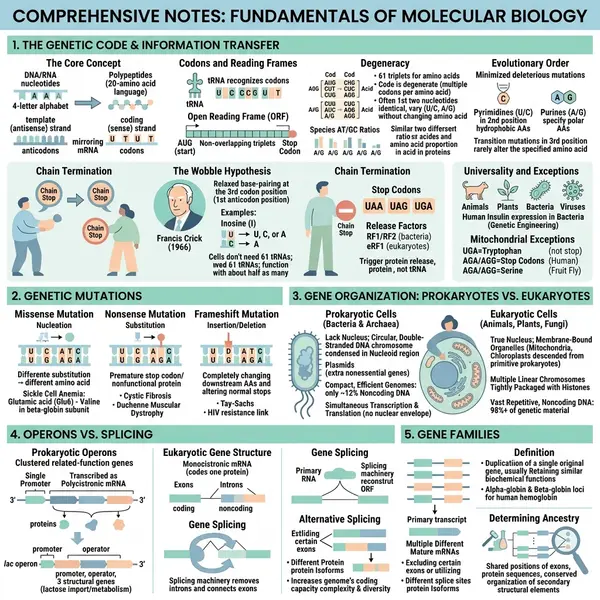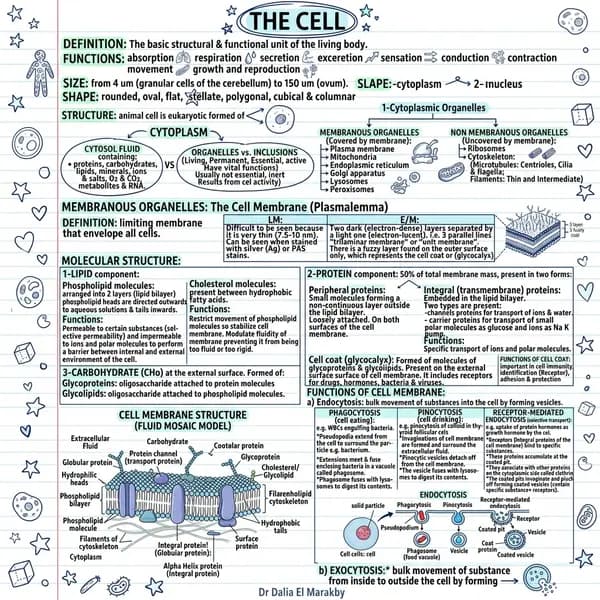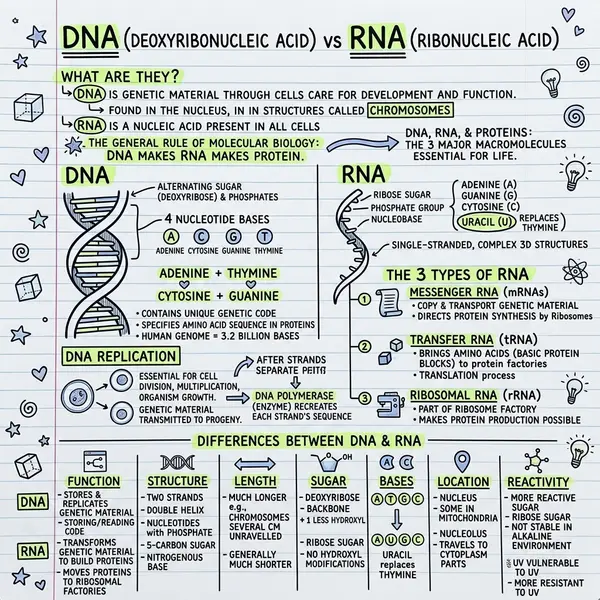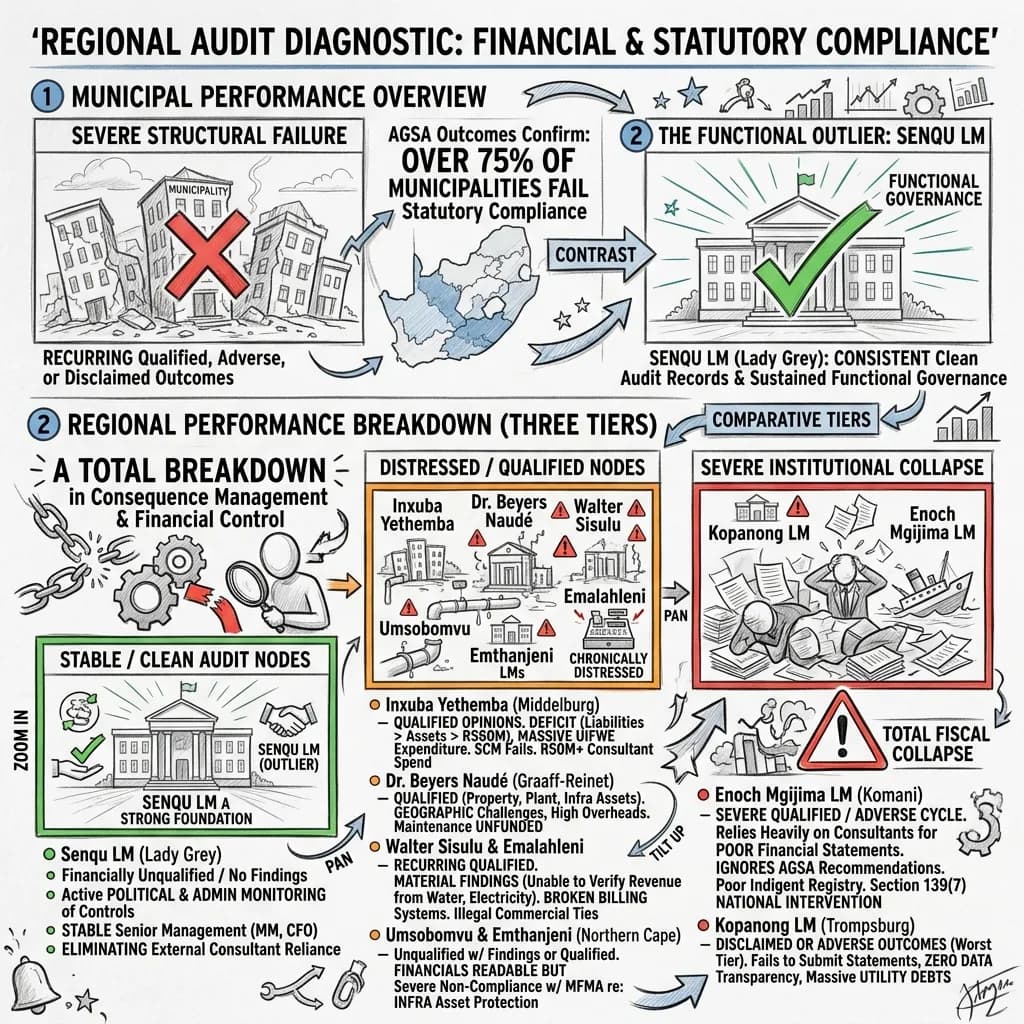
Three tools dominate the AI-infographic conversation right now. The differences between them aren't marketing positioning — they're fundamental: who reads the document, who designs the layout, and how much you have to do yourself.
What makes an AI infographic generator good?
- Generates a complete, professional-looking visual from text or a document — not just a template suggestion
- Requires minimal input and produces usable output on the first try
- Under 60 seconds end-to-end
- Supports common input formats including PDF upload
- Output that's shareable without additional editing
1. VisualNote AI — best for speed and document conversion
Purpose-built for one thing: taking any text or document and generating a visual infographic automatically. The pipeline is powered by Google Gemini and typically completes in under 30 seconds.
The standout feature is PDF upload. You can upload a research paper, business report, or textbook chapter and get a structured visual summary without extracting or copying any text. This alone makes it uniquely useful for researchers, students, and knowledge workers.
With multiple visual styles (Classic, Blueprint, Comic, Kanban, Timeline, Terminal), there's flexibility for different output types. Pricing starts free; Plus is $13.99/month.
The real differentiator in 2026 isn't which AI generates the image. It's whether the tool reads your PDF, or asks you to retype it into a template.
2. Canva AI — best for design flexibility
Canva's Magic Design can suggest template layouts based on your content. You still need to fill in the content manually and adjust the design. Canva's strength is its template library and brand customisation — custom fonts, colours, logos. The trade-off is time: creating an infographic in Canva still takes 20–45 minutes.
3. Piktochart — best for template-based infographics
One of the most established infographic tools. Clean interface, good template library, basic AI writing assistance. Like Canva, the design process is manual — you pick a template and fill it in. Reasonable choice if you want polished, template-based output and don't need full automation.
Our recommendation
If your goal is to convert existing text or documents into infographics with minimal effort, VisualNote AI is the best option in 2026. It's the only tool that fully automates generation, supports PDF upload, and produces usable output in under 30 seconds.
If you need full creative control or custom branding, Canva is the better fit. For detailed manual template editing, Piktochart works well. See our detailed comparisons on the compare page.
Frequently asked questions
Which is fastest?
VisualNote AI completes a full PDF-to-visual in under 30 seconds. Template tools take 15–45 minutes once you factor in editing.
Which supports PDF upload natively?
Only VisualNote AI parses a PDF end-to-end. The others require text input.
Cheapest paid plan?
VisualNote AI Plus at $13.99/month. Canva and Piktochart sit around $14/month.
Which gives the most polish?
Canva for branded vector graphics. VisualNote AI for hand-drawn sketchnote feel. Pick based on the aesthetic you need.